
Monkey poop coffee sounds wild, but what's the real story behind kopi luwak? You've probably heard it's one of the rarest and most controversial coffees out there. We'll sort through the myths, the ethics, and the taste so you can decide if it's worth your cup. Stick around to find a better way to enjoy fresh, traceable specialty coffee without the drama.
TABLE OF CONTENTS
The Origins of Kopi Luwak
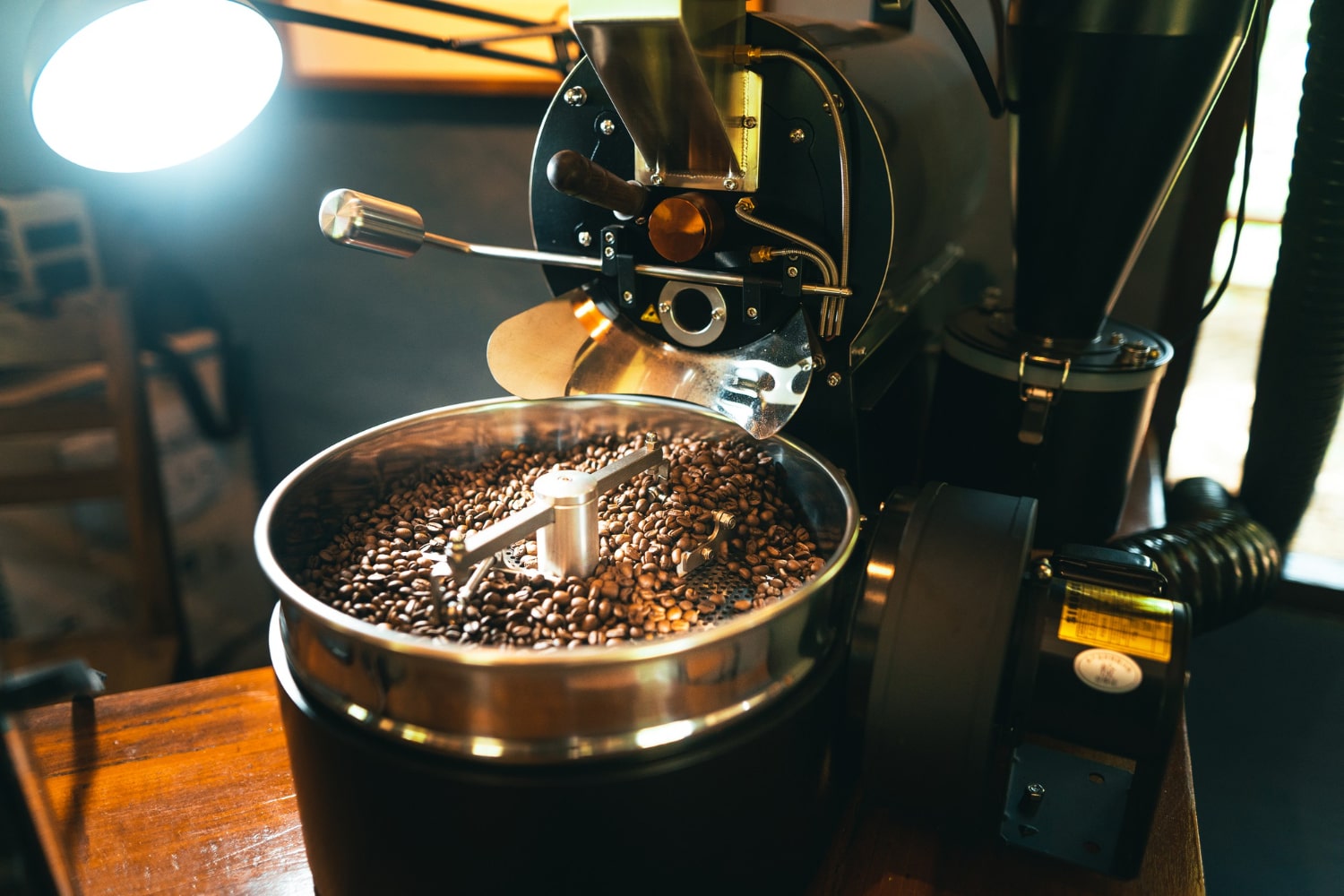
Curious about the origins of kopi luwak and how it became a coffee sensation? Understanding its beginnings is key to appreciating what sets it apart.
What is Kopi Luwak?
Kopi luwak is a type of coffee made using beans that have been eaten and excreted by civet cats. This process is said to enhance the flavour, making the beans a rare delicacy. The transformation occurs as the beans pass through the animal's digestive tract, where enzymes alter their chemical makeup. The result is a smooth, less acidic brew that many find appealing - and one of the most expensive coffees in the world.
The Making of Civet Coffee
Creating civet coffee involves several steps designed to harness the unique enzymatic process. First, civets consume ripe coffee cherries. The beans are then collected from their droppings, thoroughly washed, and sun-dried before being roasted. This meticulous process contributes to the coffee's rarity and high cost. However, the quality of the final product relies heavily on ethical practices - farms that respect the natural foraging behaviours of civets produce beans that are both ethically sourced and superior in taste.
Is Kopi Luwak Ethical?
The ethical implications of kopi luwak production are significant. In many cases, civets are kept in captivity, leading to serious concerns about their welfare. Ethical producers prioritise the animals' natural behaviours, allowing them to roam freely. Transparency in sourcing is crucial - it's vital to know exactly where your coffee comes from. If animal welfare matters to you, there are better ways to enjoy exceptional, traceable coffee - like our KENYA Mount Kenya Single Origin, sourced with full traceability and roasted to order.
The Taste Test
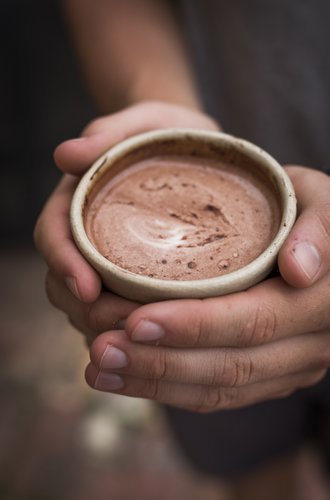
Now that you know how kopi luwak is made, let's explore the taste and value of this extraordinary coffee.
Kopi Luwak Taste and Price
Kopi luwak is known for its smooth, earthy flavour profile, with less bitterness than traditional brews. This distinct taste is a result of the fermentation process within the civet's digestive system. However, the high price tag often reflects rarity rather than superior taste. While some enthusiasts swear by its unique flavour, others argue the price isn't justified compared to other premium coffees - including freshly roasted single origins that deliver just as much complexity at a fraction of the cost.
Coffee Myths Debunked
Many myths surround kopi luwak, including claims that it is the best coffee in the world. The reality is that taste is subjective. While the fermentation process can add complexity, it doesn't automatically make it superior. Not all kopi luwak is created equal - ethical sourcing and careful processing play a crucial role in the final flavour. The same is true of any specialty coffee: origin, freshness, and roast quality matter far more than novelty.
Freshly Roasted vs. Pre-packaged Coffee
Whether you're buying kopi luwak or any other specialty coffee, freshness is the single biggest factor in flavour. Here's how freshly roasted compares to pre-packaged:
| Feature | Freshly Roasted (The Blind Coffee Roaster) | Pre-packaged / Supermarket Coffee |
|---|---|---|
| Freshness | Roasted after your order - days old on arrival | Roasted weeks to months before purchase |
| Flavour | Full oils, aroma, and complexity intact | Flat, stale, diminished tasting notes |
| Traceability | Farm or region-level sourcing, fully transparent | Often unclear or unverified origin |
| Ethics | Sustainable, ethical supply chains | Variable - often opaque |
| Roast Control | Small-batch, monitored for consistency | Mass-produced, high-volume roasting |
| Value | Premium quality at a fair price | Lower price, lower flavour payoff |
A Better Coffee Choice

If you're considering kopi luwak, it's worth exploring alternatives that offer quality, traceability, and ethical sourcing - without the controversy.
The Promise of Ethical Coffee
Ethically sourced coffee is a priority for many. Choosing beans that respect both the environment and the people involved in production ensures a sustainable future for coffee lovers. At The Blind Coffee Roaster, every bean is sourced with transparency - from farm to roast to your door. Our KENYA Mount Kenya Light Roast and Mexican Decaf Single Origin are standout examples of traceable, ethical specialty coffee.
Benefits of Small-Batch Coffee
Small-batch roasting offers better quality control and fresher beans. Unlike mass-produced coffee, small-batch roasters tailor each roast to enhance specific flavour profiles. This attention to detail results in a superior cup - and it's the only way we roast at The Blind Coffee Roaster. Our STORM blend and El Chapel blend are crafted in small batches for consistent, bold espresso every time.
Best Coffee Subscription Australia
For those seeking the convenience of premium coffee, a subscription is an excellent choice. With The Blind Coffee Roaster, you receive freshly roasted beans delivered to your door - roasted to order, never sitting in a warehouse. Subscriptions offer flexibility, allowing you to tailor the frequency and type of coffee to your preferences. It's the perfect way to explore new flavours while enjoying the convenience of home delivery.
Shop The Blind Coffee Roaster
Skip the controversy. Experience specialty coffee that's fresh, traceable, and roasted to order - delivered across Australia.
- STORM - Medium to Dark Roast Blend - bold, consistent, built for espresso.
- El Chapel - Medium to Dark Roast Blend - rich and complex with a smooth finish.
- KENYA Mount Kenya - Single Origin Light Roast - bright, fruity, and fully traceable.
- Mexican Decaf - Single Origin Medium Roast - full flavour, without the caffeine.
- Browse all freshly roasted coffee beans ->
Frequently Asked Questions
What is monkey poop coffee?
Monkey poop coffee, also known as kopi luwak, is made from beans that have been digested and excreted by civet cats. The enzymatic process alters the beans, producing a smoother, less acidic flavour profile.
Is kopi luwak ethical?
Not all kopi luwak is ethically sourced. Some producers prioritise animal welfare, allowing civets to roam freely, while others keep them in captivity under poor conditions. If ethics matter to you, traceable specialty coffee from transparent roasters is a better choice.
How does freshly roasted coffee compare to pre-packaged coffee?
Freshly roasted coffee retains its oils, aroma, and complexity - delivering a far superior flavour. Pre-packaged coffee can lose these qualities within weeks of roasting. Buying roasted-to-order from a specialty roaster ensures you always get beans at peak freshness.
Why is kopi luwak so expensive?
Kopi luwak is costly due to its rarity and the labour-intensive production process. The price reflects its novelty rather than an inherently superior taste - many specialty single origins offer equal or greater complexity at a fraction of the cost.
What are the benefits of a coffee subscription?
A coffee subscription ensures you always have fresh, roasted-to-order beans on hand. It offers convenience, flexibility, and the ability to explore different origins and roast levels over time - without ever running out or settling for stale supermarket coffee.
Is there a Wild Civet Kopi Luwak option available in Australia?
Yes - The Blind Coffee Roaster stocks Wild Civet Kopi Luwak for those curious to try it. It's sourced from wild civets, not caged, making it a more ethical option for the adventurous coffee drinker.
RELATABLE READS
Want to explore more about specialty coffee, freshness, and ethical sourcing?
