
Most supermarket coffee hides behind stale beans and vague roast dates. You deserve fresh coffee beans that actually taste vibrant and alive. In this guide, you’ll learn how to spot true freshness, pick the perfect roast for your brew, and set up a routine that keeps your cup at its peak. Ready to upgrade your home brewing? Check out this simple guide.
Identifying Fresh Coffee Beans

Choosing fresh coffee beans is the first step to a better brew. When you know how to spot freshness, your coffee experience can transform.
Understanding Roast Dates
Roast dates are key to freshness. While supermarket beans often lack clear roast dates, fresh beans should display this information prominently. A roast date shows when the beans were roasted, giving you an idea of their peak freshness. It's best to use coffee within two to four weeks of its roast date. This window ensures the beans are at their most flavorful, enhancing your home brewing experience. So always check for a roast date, not just an expiration date, to ensure you're getting the freshest beans possible.
The Role of Coffee Degassing
After roasting, coffee beans undergo a process called degassing. This is when carbon dioxide escapes from the beans. Freshly roasted coffee needs a few days to degas before brewing. This waiting period allows for a more balanced flavor profile. If you grind the beans too soon, the trapped gases can affect the taste of your coffee. Letting beans rest for at least 48 hours after roasting can lead to a smoother and more enjoyable cup. Patience here pays off in flavor.
Optimal Coffee Storage Techniques
Proper storage keeps your coffee fresh longer. Use an airtight container to shield beans from light, air, and moisture. A cool, dark place is ideal for storing your coffee. Avoid storing in the fridge or freezer, as condensation can damage the beans. For best results, invest in a container with a one-way valve. This allows gases to escape while preventing air from getting in. With the right storage, you can extend the peak flavor of your beans.
Choosing the Right Roast Style
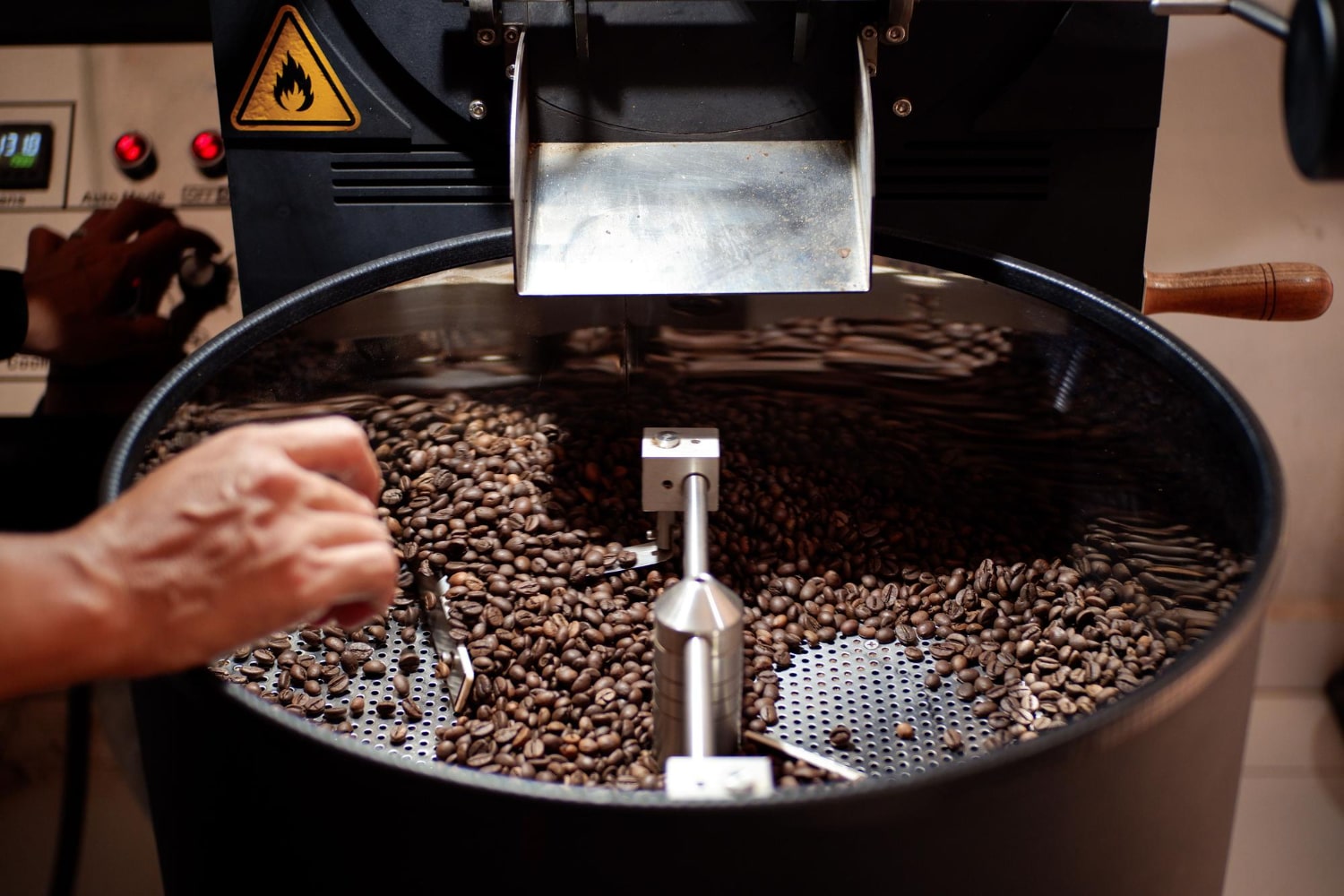
Now that you know how to spot freshness, let's dive into roast styles. Different roasts can dramatically change your coffee's flavor profile.
Espresso Roast vs. Filter Roast
Espresso roast and filter roast cater to different brewing methods. Espresso roasts are typically darker, enhancing the rich, bold flavors needed for espresso shots. In contrast, filter roasts are lighter, allowing the subtler flavors to shine in drip or pour-over methods. By choosing the appropriate roast for your brew method, you can maximize the flavors in your cup. If you're using an espresso machine, go for an espresso roast. For a French press or V60 pour-over, a filter roast might be ideal.
Matching Roast to Brew Method
Choosing the right roast isn't just about preferences; it's about matching it to your brew method. Lighter roasts can highlight floral and fruity notes in a Chemex or AeroPress. Medium roasts offer a balanced flavor, suitable for most drip coffee makers. Dark roasts, with their deep, smoky qualities, are perfect for espresso machines. Matching your roast to your brew method optimizes flavor extraction and enhances your coffee experience.
Exploring Small-Batch Roasts
Small-batch roasting offers a unique flavor journey. These roasts are typically fresher and have a more nuanced taste. By purchasing from local roasters like The Blind Coffee Roaster, you support ethical sourcing and enjoy beans roasted to order. Small batches allow roasters to focus on quality and control, resulting in a more consistent and flavorful coffee. This personalized approach can elevate your daily coffee ritual.
Building a Consistent Brewing Routine
A consistent brewing routine is the final step in crafting the perfect cup. It ensures you get the most out of your fresh beans every time.
Mastering Grind Size and Uniformity
Grind size matters. Using the right grind size for your brew method can significantly affect your coffee's taste. A coarse grind suits a French press, while a fine grind is essential for espresso. Uniformity in grind size is crucial for even extraction. Inconsistent grinds can lead to a bitter or sour taste. Investing in a quality grinder can help you achieve the perfect grind size every time.
The Importance of Resting Coffee
Resting coffee before brewing can enhance flavor. Allowing coffee to settle for a few minutes after brewing—known as blooming—helps release gases and improve taste. This step is especially important in methods like pour-over, where even extraction is key. By incorporating a resting period, you ensure a smoother, more flavorful cup.
Leveraging a Coffee Subscription in Australia
A coffee subscription can simplify your routine. With services like those offered by The Blind Coffee Roaster, you can receive freshly roasted beans delivered to your door on your schedule. This ensures you never run out and always have peak freshness at hand. Subscriptions offer flexibility, allowing you to adjust delivery frequency based on your needs. It's a convenient way to maintain your coffee ritual without the hassle of reordering.
Frequently Asked Questions
How do I know if my coffee beans are fresh?
Fresh coffee beans have a roast date listed on the packaging. Look for a date within the last two to four weeks for optimal freshness. Fresh beans also have a strong aroma and a glossy appearance due to the oils on their surface.
What is degassing, and why does it matter for coffee?
Degassing is the release of carbon dioxide from roasted coffee beans. It's crucial because brewing too soon after roasting can lead to uneven extraction and off-flavors. Allowing beans to degas for a few days enhances the flavor profile.
Where should I store my coffee beans for maximum freshness?
Store your coffee beans in an airtight container in a cool, dark place. Avoid the fridge or freezer, as moisture can damage the beans. A one-way valve bag is ideal for maintaining freshness.
What is the difference between espresso roast and filter roast?
Espresso roasts are darker, highlighting rich and bold flavors suitable for espresso machines. Filter roasts are lighter, emphasizing subtle flavors best suited for drip or pour-over methods.
How can a coffee subscription benefit my home brewing routine?
A coffee subscription ensures you always have fresh, roasted-to-order beans. It eliminates the hassle of reordering and provides flexibility in delivery schedules, keeping your coffee routine consistent and enjoyable.
