
Coffee bean vs tea leaf: the debate goes beyond just taste. You might love the ritual of brewing tea, but have you noticed how coffee’s aroma and flavor can fill a room with warmth? Knowing the difference in caffeine levels and how each is processed can change your daily brew for good. Let’s explore what makes coffee and tea unique—and show you how freshly roasted coffee Australia offers, through our subscription, can bring that perfect cup straight to your home.
Taste and Aroma Differences
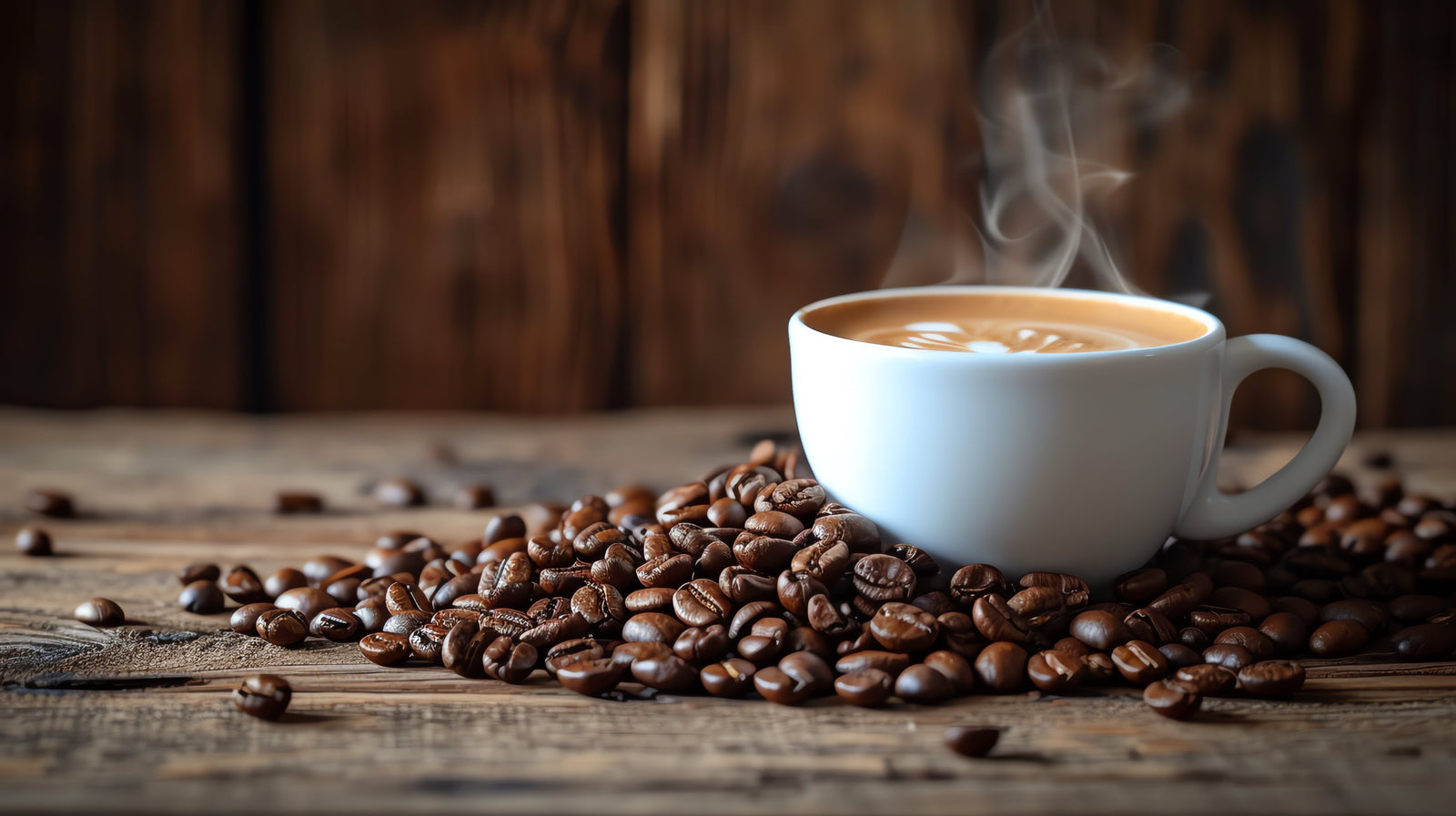
When it comes to coffee and tea, the first impression is all about taste and aroma. Each offers its own experience, and understanding these can help you choose your perfect brew.
Coffee Aroma and Flavor
Coffee's aroma is powerful and inviting. Imagine walking into a room filled with the rich scent of freshly brewed coffee. That's the magic it brings. Each bean variety and roast level has its own story to tell. Light roasts are often fruity, while dark roasts can remind you of chocolate or nuts. The way coffee is brewed also affects its flavor. Espresso, with its concentrated taste, differs from a French Press brew, which offers a fuller body. If you’re exploring different coffee types, remember that ethically sourced coffee beans not only taste good but feel good to drink too.
Tea Leaf Taste Profiles
Tea leaves offer a gentler aroma but a wide range of flavors. From the grassy notes of green tea to the deep, earthy taste of black tea, each type has its own character. Herbal teas, like chamomile or peppermint, bring unique flavors that can calm or refresh. The taste depends on factors like growing conditions and processing methods. Tea offers a ritualistic experience that many find soothing, making it a perfect companion for quiet moments.
Caffeine Content Comparison
Caffeine content varies between coffee and tea, and knowing the difference can help you choose what suits your needs.
Coffee vs Tea Caffeine
Coffee generally has more caffeine than tea, making it a go-to when you need a boost. A typical cup of coffee contains about 95 mg of caffeine, compared to tea's 47 mg. This can vary based on the type of coffee bean or tea leaf, as well as the brewing time. For those who love the jolt coffee provides but want to explore tea, consider starting with a black tea for a moderate caffeine intake.
Best Coffee for French Press
The French Press is a favorite method for many coffee enthusiasts. It allows for a slower extraction, resulting in a richer taste and more caffeine per cup. To get the best results, choose a medium to coarse grind. This prevents the coffee from becoming too bitter. If you’re looking for the best coffee for French Press, consider our small-batch coffee roaster options, offering freshness and flavor in every sip.
Brewing Techniques and Rituals
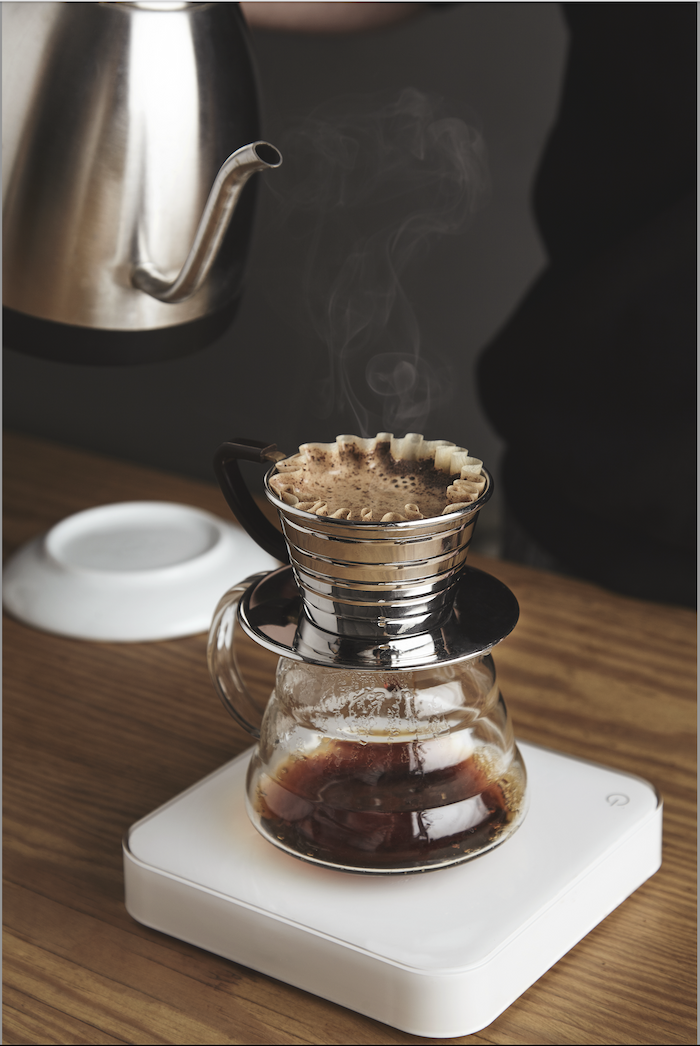
Brewing coffee or tea is more than just a method; it's a ritual that can become a cherished part of your day.
Espresso vs Filter Coffee
Espresso and filter coffee provide two very distinct experiences. Espresso is intense and concentrated, perfect for a quick, energizing shot. Filter coffee, on the other hand, is smoother and can be enjoyed over a longer period. The choice between these two often depends on your mood and schedule. If you're curious about trying both, our Australian coffee subscription offers a variety to suit any brewing preference.
Home Brewing Tips
Brewing at home can be a rewarding experience. Here are some tips to enhance your routine:
-
Choose Fresh Beans: Freshness is key. Roasted to order coffee ensures peak flavor.
-
Mind the Grind: Match the grind size to your brewing method for optimal results.
-
Water Matters: Use filtered water at the right temperature to avoid bitterness or sourness.
With these tips, you can elevate your daily brew and enjoy a café-quality cup at home every day.
Frequently Asked Questions
What is the main difference between coffee beans and tea leaves?
Coffee beans and tea leaves differ mainly in processing and flavor profiles. Coffee offers a robust and bold taste, while tea provides a more subtle and varied experience.
How much caffeine is in coffee vs. tea?
Coffee typically contains more caffeine than tea, with about 95 mg per cup compared to 47 mg in tea, depending on the type and brewing method.
What is the best way to brew coffee at home?
The method depends on your taste preference. A French Press offers a rich and full-bodied cup, while an espresso machine delivers a concentrated and intense flavor.
How does roasting affect coffee flavor?
Roasting level impacts flavor significantly; light roasts are often fruity and acidic, while dark roasts are rich and bold with chocolate notes.
Why choose freshly roasted coffee?
Freshly roasted coffee ensures peak flavor and aroma, making each cup a delightful experience. It also supports ethical sourcing and quality.
